

Are Triple Pane Windows Worth It in Texas?
Triple pane windows get a lot of attention, and for good reason in places like Minnesota. A third sheet of glass and a second gas-filled gap slow heat loss through the window, which matters a great deal when it's ten below outside. Texas is a different story. Our problem is mostly heat coming in, not heat going out, so the math on triple pane works out differently here.
That doesn't make them a bad buy. It means you should know what you're paying for before you sign.
What a third pane actually changes
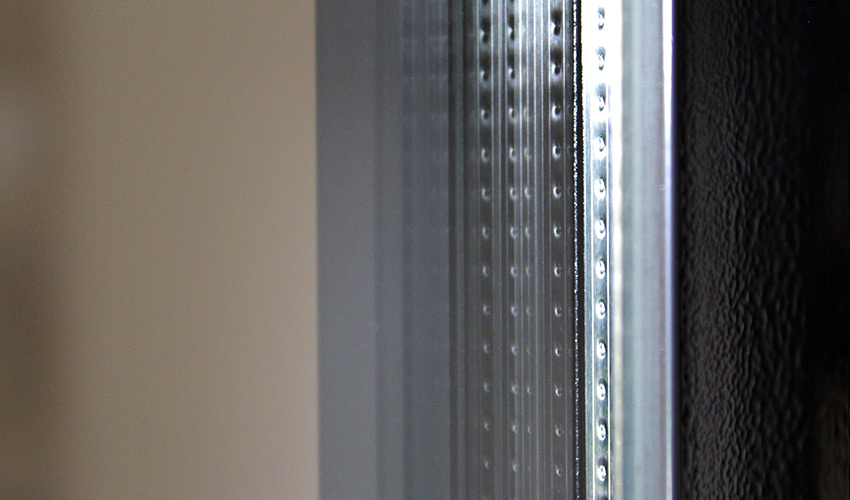
A standard double pane window has two sheets of glass with a sealed space between them, usually filled with argon gas. A triple pane unit adds one more sheet and one more sealed space. The result is a lower U-factor, which is the rating for how fast heat moves through the whole window. Lower is better. A good double pane low-E window often lands somewhere around 0.25 to 0.30, while many triple pane units come in under 0.20.
The other big number on the label, the solar heat gain coefficient (SHGC), measures how much of the sun's heat gets through the glass. Lower blocks more heat. Here's the catch: adding a pane doesn't automatically drop the SHGC much. That number depends mostly on the low-E coating. A triple pane window with a weak coating can let in more solar heat than a double pane window with a strong one.
Why Texas homes see a smaller payoff
The heat flow that U-factor measures is driven by the difference between indoor and outdoor temperatures. On a 100 degree afternoon with the thermostat at 75, that's a 25 degree gap. On a 5 degree night in the upper Midwest with the house at 68, it's 63 degrees. So the U-factor improvement from triple pane saves a lot more energy up north.
In most of Texas, the bigger load is sunlight pouring through west and south facing glass. That's an SHGC problem. You'll usually get more cooling savings per dollar from double pane glass with a low SHGC coating than from triple pane glass with an average coating.
When triple pane does make sense
There are good reasons to pay for the upgrade, and energy savings is only one of them.
- Noise. Homes near a highway, rail line or busy road often notice the biggest difference here, especially when the panes are different thicknesses.
- Comfort near big glass. The inner pane stays closer to room temperature, so sitting next to a large window feels less like sitting next to a heater in July.
- Hard freezes. The February 2021 winter storm reminded a lot of Texans that our winters can bite. Triple pane glass helps a house hold its heat longer when the power goes out.
- Condensation. A warmer inner pane is less likely to fog or sweat on cold mornings.
- Long ownership. If you plan to stay twenty years, a modest yearly savings adds up.
The downsides to weigh
Price is the obvious one. Triple pane windows often cost noticeably more than comparable double pane units, and the premium varies a lot by brand and frame type. Get quotes on both so you can see the real gap for your house.
Weight is next. That extra glass makes sashes heavier, which can strain the balances on a tall single hung or double hung window over time. Ask what hardware the manufacturer uses for its triple pane sashes.
Frame depth matters too. Triple pane glass packs are thicker, and some product lines need a deeper frame. That can limit your choices if you're doing an insert replacement inside the existing frame, which is common in Texas brick homes. Visible light can also drop a little with each added pane and coating, so rooms may feel slightly dimmer.
What to compare on the label
Every window rated by the National Fenestration Rating Council (NFRC) has a sticker with the same set of numbers. When you're comparing a triple pane quote to a double pane quote, line these up side by side:
- U-factor for the whole window, not only the center of the glass.
- SHGC. For Texas, a low number here does a lot of the work.
- Visible transmittance, so you know how much daylight you're keeping.
- Air leakage, if it's listed. A tight frame matters as much as the glass.
Frame material affects all of this. Vinyl and fiberglass frames insulate well, while aluminum frames conduct heat unless they have a thermal break. Our guide to low-E coatings explains how the coating changes SHGC, and our look at double pane pros and cons covers the other side of this comparison.
A note on rebates
The federal 25C tax credit that used to cover part of the cost of energy efficient windows ended for anything installed after December 31, 2025. Some Texas utilities and cities still run their own efficiency rebates, so call your electric provider before you buy.
Get a second opinion on your windows
If you're stuck between double and triple pane, the answer often comes down to which way your windows face, how much shade you have and how old your current frames are. Texas Energy Pros offers a free home energy audit that looks at your windows along with your attic and ductwork, so you can see where your money does the most good. Contact us to set one up, or browse our windows and doors page to see the options.